Onboarding system for Rope Access Solutions
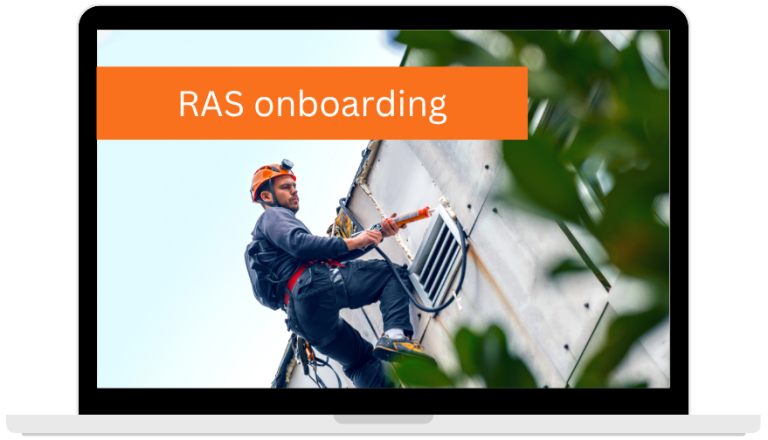
RAS operatives are rope access specialists working on infrastructure projects.
As a rapidly growing company, RAS needs an efficient onboarding system. My role is to build an onboarding process using a series of digital courses.
The system needs to be accessible for people who have not enjoyed academic learning environments while preparing them effectively for potentially complex and dangerous work.
Project outline
Company: Rope Access Solutions (RAS)
Duration: ongoing, projected to last 9 months
Role:
- Building courses using Articulate Storyline and Rise
- Writing lesson content and assessments
- Producing voice overs and multimedia content
- Setting up the learning management system (LMS)
- Liaising with subject matter experts (SMEs)
- Developing the company style guide
Tools: Articulate suite (Rise, Storyline and Reach), AI voice over generation (ElevenLabs, Murf.ai), Canva, Hemmingway Editor
Note: RAS’s content is produced in-house for their operatives. All content here is made up of examples, stock images and mock-ups.
Project goals
Simple administration
RAS needs an onboarding system that has a low administrative burden but sets new operatives up to hit the ground running on site.
Rope access operatives working around rail infrastructure do a range of tasks that can be complex, physically demanding and dangerous. The onboarding system needs to confirm that they have the required technical knowledge and outline company-specific policies and practices.
Inclusive learning
The system needs to be suitable for operatives with strong technical skills but who have not enjoyed academic forms of learning.
It is particularly important for lessons to include varied content formats to keep them engaging. We used a blend of written content, videos, audio and interactive elements.
1. Relatable progression
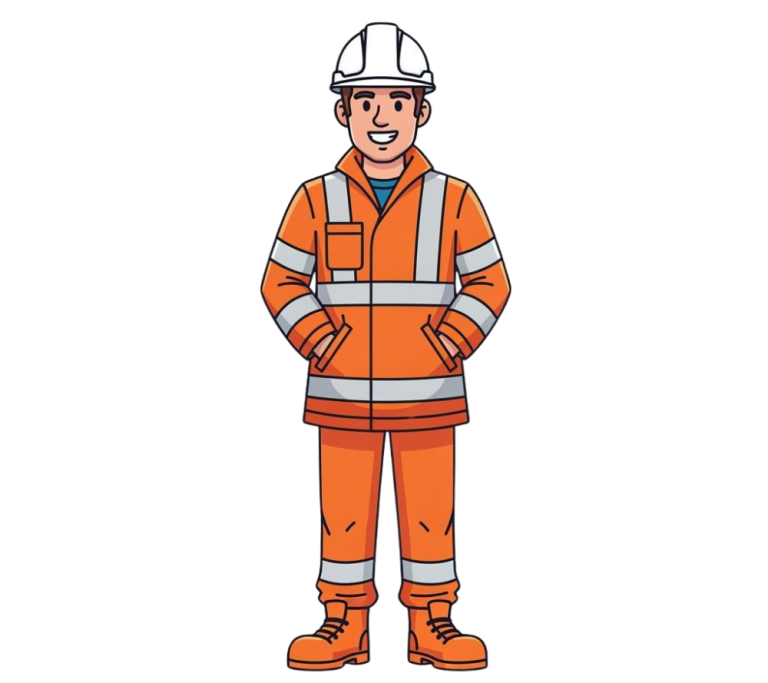
Before the project started, RAS undertook research on current operatives and their backgrounds. They used the user profiles to create an fictional operative who had recently started in his role and who had a similar background to those currently working for RAS.
This character was used as the ‘voice’ of much of the content and frequently appeared in visual content. I scripted these sections to match a friendly, informal style that would be relatable to the operatives.
Approaches

2. Varied and tangible content
Rope access work, especially for new operatives, is a physical and practical job. A large amount of written content is not going to effectively teach new starters about their day-to-day work.
I worked with SMEs to access photos of the actual tools and equipment used on site and in context to provide a tangible learning experience.
The course also uses a lot of video content and interactive elements to keep the learners engaged, especially during sections on compliance and safety.

3. Inclusive writing
If operatives do not understand safety procedures, they risk serious harm to themselves and others. Making sure all content is clear and accessible is therefore extremely important.
I use the Hemmingway Editor to evaluate language complexity and provide a glossary for technical terms and all acronyms.
I also developed a detailed style guide that covered both written and visual components to ensure consistency across content.